
The DAACS Research Consortium (DRC) is a collaboration among scholars based in scattered academic and research institutions, built on the foundation offered by the Digital Archaeological Archive of Comparative Slavery. The DRC responds to inquiries from university and museum-based scholars and graduate students interested in engaging with DAACS — whether by adopting DAACS software and protocols for their own research, or by drawing on DAACS’s existing datasets for comparative analysis, hypothesis testing, and teaching. Adoption here means not just downloading data from the DAACS website to compare with data generated independently by researchers using their own spreadsheet or database applications. Rather it means being able to enter their own data into the DAACS database to take advantage of the analytical and collaborative opportunities that ensue. The DRC helps researchers understand how their sites and data fit into larger temporal and spatial patterns only visible through systematic, quantitative comparison with data from other sites and regions, while sharing their own data on the DAACS website.
DAACS’s partners in the DRC fall into three categories:
- Institutional Partners in the DAACS Research Consortium (DRC) include museums and government-based labs that use the DRC application and DAACS protocols for data entry, management, and analysis in their ongoing research. Partners work with DAACS to launch and share data from sites of particular interest and relevance to DAACS’s goals at www.daacs.org.
- Funded Research Partners are typically principal investigators on grants for field or legacy-collection research projects. PIs aim to use DAACS protocols and software for data collection, management, and analysis, leading to sharing those data on the DAACS website (e.g., Morne Patate Project, Northwestern University) or their own website (IDigStAug and Comparative Mission Archaeology Portal, both Florida Museum of Natural History)
- Individual Research Partners are typically graduate students or independent scholars using DAACS protocols and software for data collection, management and analysis for individual research, with an eye to sharing data on the DAACS website. Often these projects underpin a thesis or dissertation (e.g., Mount Pleasant Kitchen, Hope Smith, Ph. D., University of Tennessee, and Good Hope Estate, Hayden Bassett, Ph.D., College of William and Mary).
Members in all of these partnership types are also encouraged to use existing DAACS data in their research and teaching in addition to entering their data into DAACS. You can find examples of research and teaching that use DAACs here. Please Contact Us to learn more about opportunities for DAACS training and collaboration.
DAACS Research Consortium Inaugural Partners, 2013-
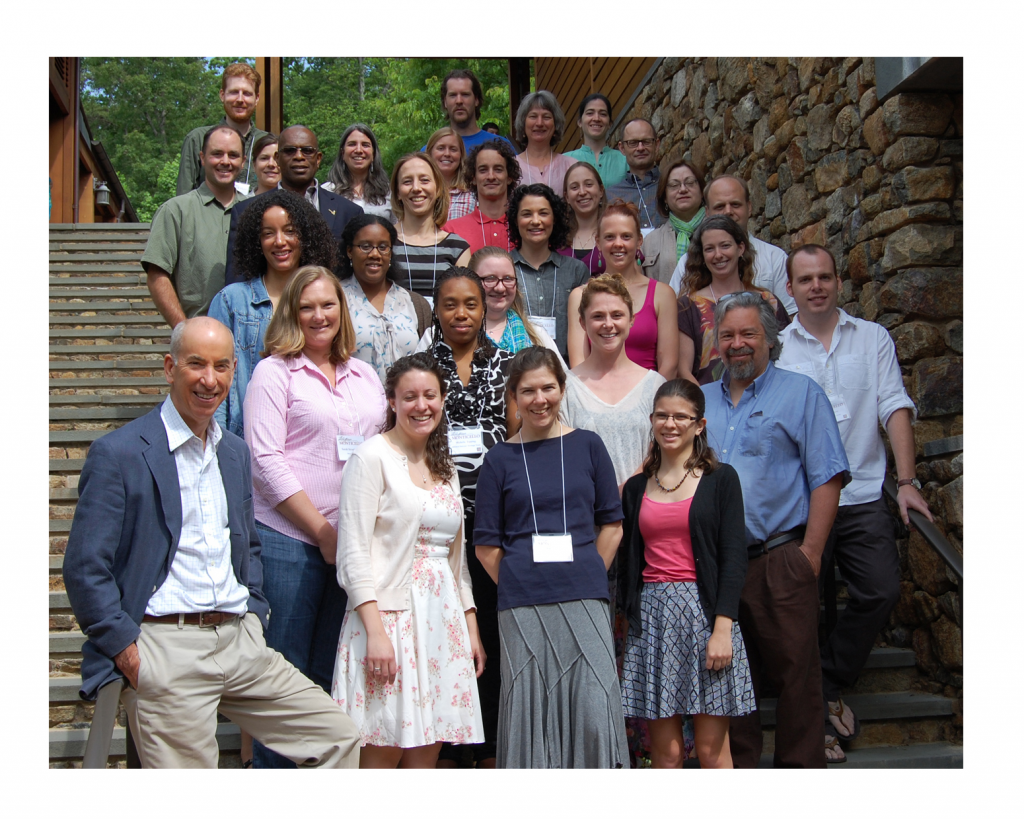
Anna Agbe-Davies, Associate Professor of Anthropology, the University of North Carolina at Chapel Hill. Academic Partner since 2000.
Douglas V. Armstrong, Laura J. and L. Douglas Meredith Professor and Maxwell Professor of Teaching Excellence (emeritus), Department of Anthropology, Syracuse University. Academic Partner since 2006.
Mary Beaudry, Professor of Archaeology, Anthropology, and Gastronomy (in memoriam), Boston University. Academic Partner 2013-2016.
Charles Cobb, Lockwood Curator of Historical Archaeology, Florida Museum of Natural History, University of Florida. Academic partner since 2006.
Dorrick Gray, Director of Archaeology (emeritus), the Jamaica National Heritage Trust. Institutional Partner since 2006.
Mark Hauser, Associate Professor, Northwestern University. Academic Partner since 2013.
Barbara Heath, Associate Professor of Anthropology, the University of Tennessee. Academic Partner since 2000.
Carter Hudgins, Director of Preservation and Education, Drayton Hall. Institutional Partner since 2012.
Eleanor Breen, City Archaeologist, Alexandria Archaeology. Academic Partner since 2000.